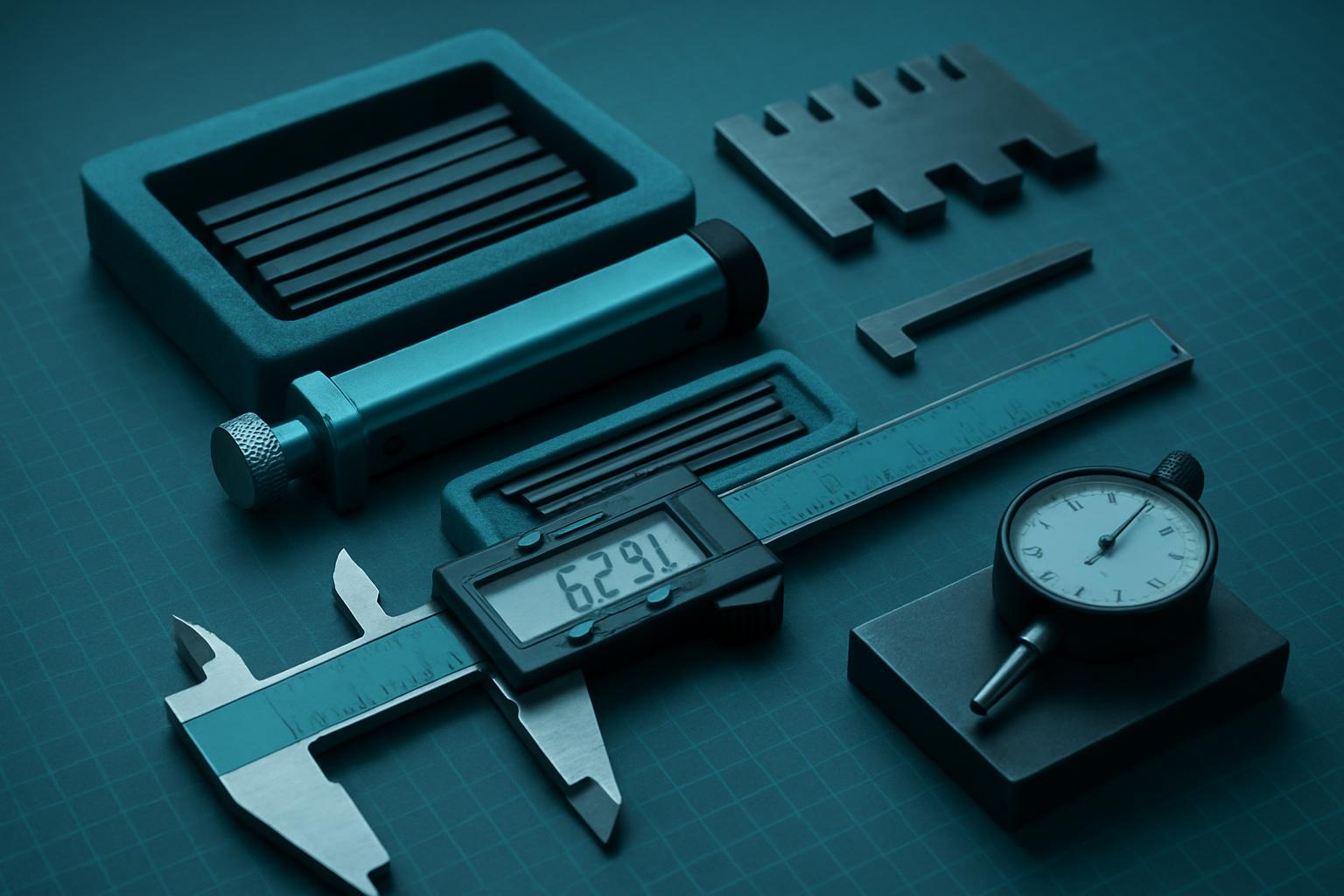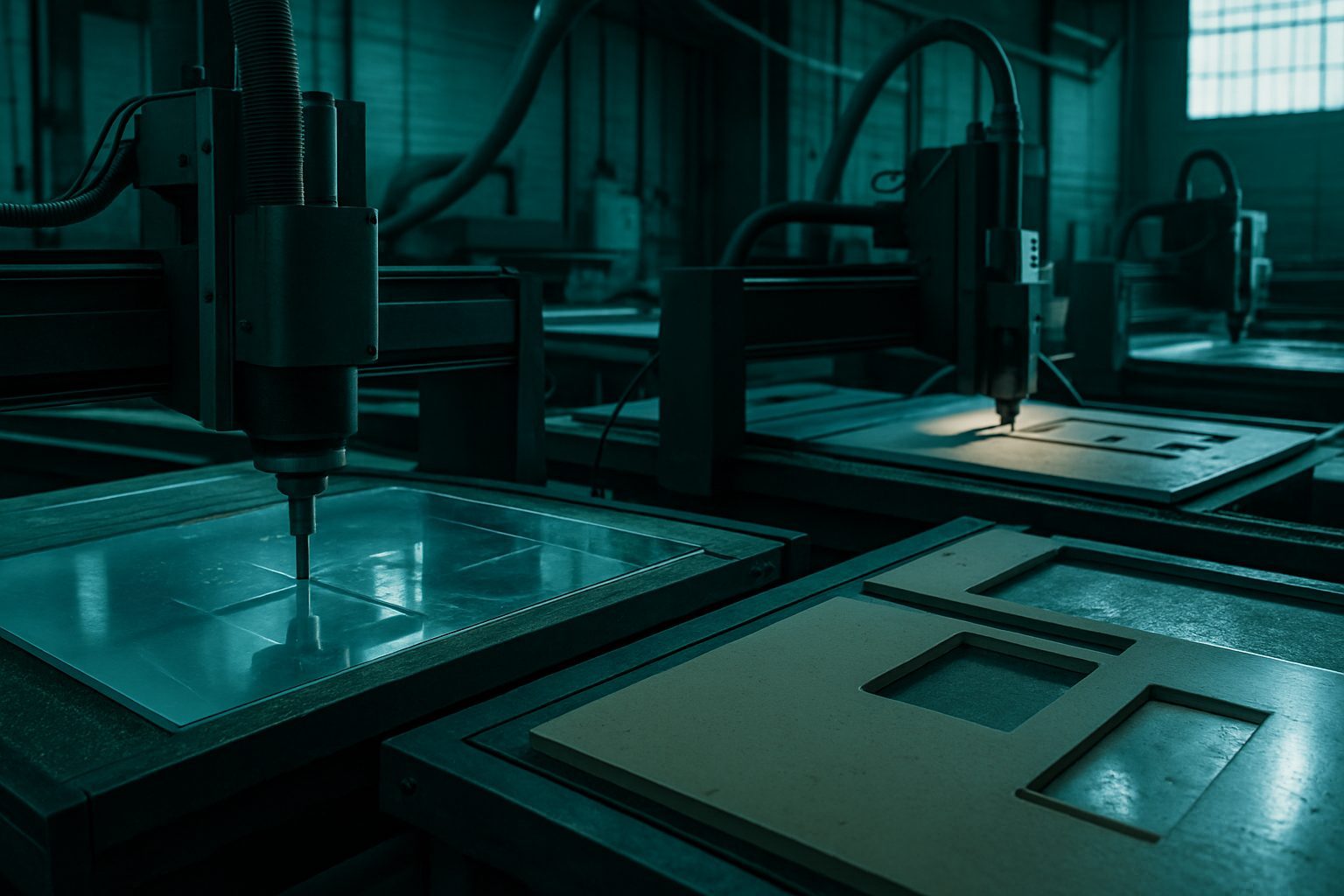
Practical advice on nesting and fixtures for KerfCheck Lab. Make South African projects run smoother by matching the method to your constraints from the start.
A common issue on South African shop floors is underestimating what happens during a rushed changeover, especially when the next team is waiting for parts. Take a case where a team in Gqeberha ran a tight nest on ACM, but forgot to allow for the 10 mm vacuum border needed for their hold-down system. The first run looked great in CAD, but the operator had to stop and reposition every second sheet, losing time and risking alignment errors. Always check that your nesting plan matches not just your machine, but also your fixturing and handling process. Even a simple checklist, does this nest allow for all clamps and vacuum zones, and can my team reset quickly if there is a power blip, can save hours and prevent rework.
With KerfCheck Lab, we focus on nesting and fixturing that fit your machine and match the real conditions on your shop floor. It is not just about squeezing every last piece from the sheet using software. We look at what your team can actually keep running, whether you are working through a chilly East London morning or the sticky air of Durban. Sometimes, the best pattern is not the densest, but the one your crew can unbolt, clamp or shift safely when a power cut stalls the air line. Our team has seen a nest save aluminium in Germiston, yet jam up operations where the lifting gear only handles 1,2-metre sheets. We recommend setups that can handle rough handovers and teams with mixed experience.
KerfCheck Lab methods work best for operations where parts move between in-house stages, or where your finish and tolerance matter as much as offcut savings. Owners in Cape Town juggling mixed metals, or workshop managers in Polokwane planning for municipal delays, get most value here. If you run one-off or prototype batches, or your operators change weekly, a simple fixture and forgiving nest can save repeat headaches. Teams with their own seasoned CNC operators can handle tighter nests, but for most, an extra five minutes on fixturing prevents extra weeks of rework. These patterns suit contract shops, fabricators, and light manufacturing looking to scale up without adding specialist staff.
List your toughest constraint before you choose a fixture, nest or finish. Maybe your largest part must fit inside a bakkie, or you need a fixture that can be set up again with only basic tools during an outage in Bloemfontein. We check all options against your actual site setup, not just the ideal specs. If your buyer in Gauteng wants 4 mm kerf over 40 parts, but Durban humidity threatens to warp boards left overnight, we will spot that early and suggest a fixture that works for both. Our goal is to make sure you get to assembly with no nasty surprises.
A shopfitter in Johannesburg needs 30 custom aluminium door panels, each with a unique cut-out. The floor only allows 2,5-metre sheets, and handoff must be fast as the next team arrives before lunch. We run a nest for 2,5-metre stock, with hinge and catch points marked to suit their jigs. Fixtures are kept simple so the team can clamp and release even when a power cut disrupts air. Instead of the densest nest, we plan for an extra 5 mm buffer around each panel to avoid dings in transit. The owner emails us both a CAD sketch and photos of their bench, so we can flag any cleaning or prep needed before parts leave Germiston. This gets the job offload-ready, with no last-minute scrounging for spacers or flash removal.
Every clear nest or fixture job starts with good prep. This short checklist gets the ball rolling, especially for teams in industrial parks or with new hires. The earlier you share your constraints, the fewer workshop surprises later.
Trouble usually starts when a nest or fixture is chosen that is too complicated for your team or your site. Highveld dust and power cuts are not just minor headaches, they can cause real delays if you are missing clamps or running with tolerances that are too tight. If several people need to approve the job, agree on the timing window and write it down before you choose a finish or nest. We keep our own project records to avoid repeating old mistakes. The right nest reduces rework, not just scrap. For more technical details, see KerfCheck Lab specifications or browse other machines to fit your build.
Verified Google reviews