Get practical advice on AcrylicClear Cut nesting and fixture choices that work on South African floors. Save time, avoid cleanup and keep your workshop moving between provinces.
A frequent issue we see is teams not allowing for kerf width changes across big sheets, especially when humidity shifts between Gauteng and the coast. If you do not factor in how the cut width can vary, those neat slots and tabs may end up too tight or too loose when you assemble on site. It is worth running a test cut on offcut material from the same batch before committing your full sheet.
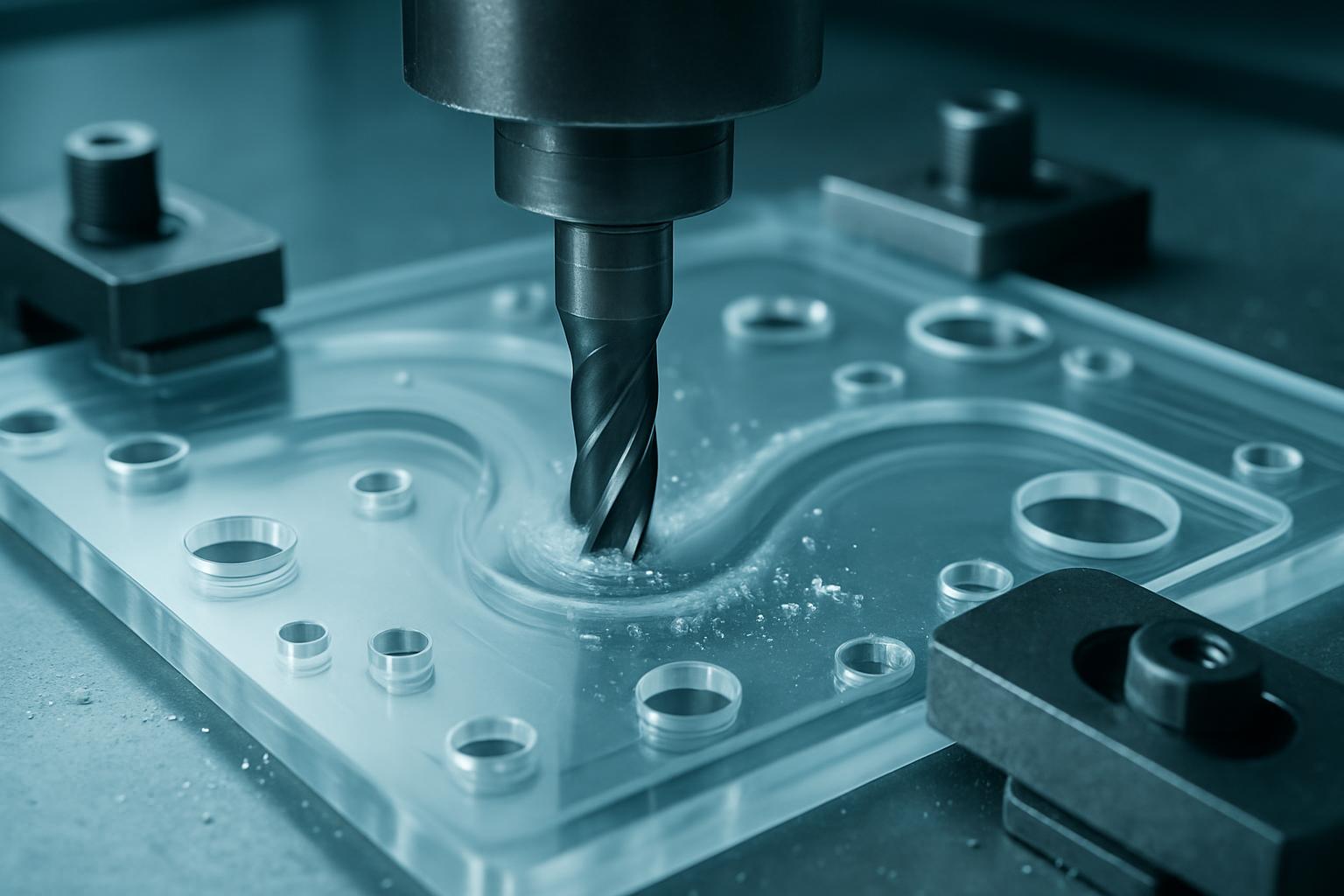
Another pitfall is rushing the fixture setup. If the workholding is not matched to your part shape and thickness, vibration or slip during cutting will leave you with chipped edges or parts that do not line up. Always confirm the vacuum or clamp setup for the full batch, not just the first piece, especially if your panels are over 2,000 mm. Care at this stage saves costly rework down the line.
Industries · Blog · Contact us.
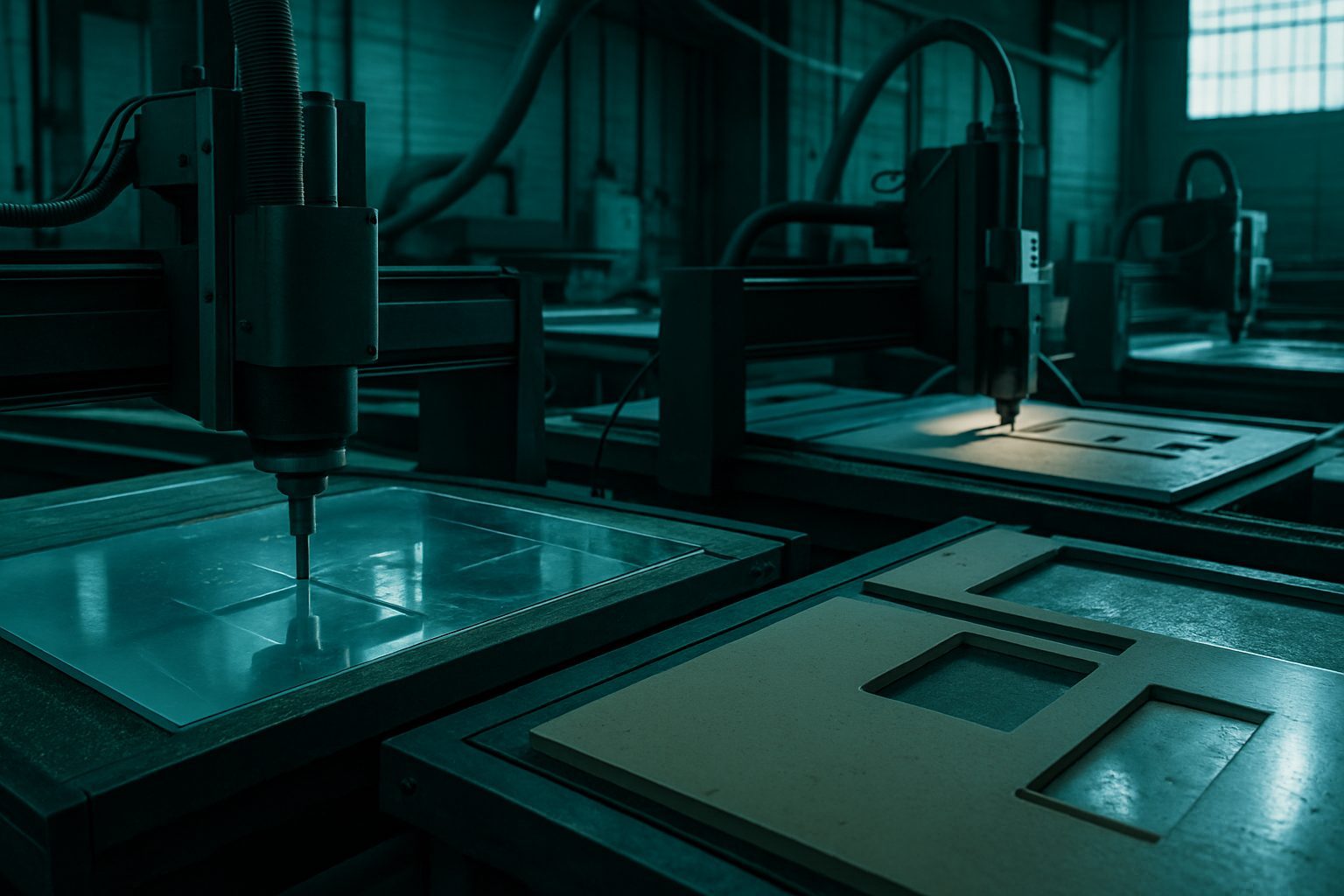
Nesting for AcrylicClear Cut means arranging your parts on each sheet to use material efficiently and reduce scrap, especially important with imported sheet prices and local transport from Cape Town to Kimberley or Pretoria. Fixtures hold the work steady during cutting so your pieces come out true, with no chips or misaligned slots that need a second pass. We tune each nesting layout to your cut list and handling steps, not just to the machine, so the stack leaves our Germiston bay ready for your next operation.
Good nesting is not only about material savings. It shapes which fixtures we use, how many sheets you need, and whether your team spends a hard morning sanding tabs off corners. With the right fixture plans, you cut once and get a neat pile of parts, not a puzzle to finish after work.
If you are producing runs of repeat parts for signage, shopfitting, lightboxes or retail displays, especially where edge quality or clear join lines matter, AcrylicClear Cut nesting and well-matched fixtures save you hours and offcut losses. Industrial buyers working with 1,200 x 2,400 mm acrylic sheets or bigger panels also avoid waste when every millimetre counts toward a project tender.
This service does not suit one-off hobby projects or where you want to trial wild shapes each time. The upfront work and fixture setup make more sense for steady production or where repeatability is key. It is also not the quickest answer if you only want a handful of basic blanks with wide margins.
Send us your part drawings, dimensions and a quick note on what needs to fit together, along with your city so we can plan for local haulage. We set up your project in our CAD suite, test how each section fits and arrange sheet breakups based on South African pack sizes, common defects and what happens after the first pass. The fixture plan comes next. Our crew checks which clamping or vacuum table setups will hold your parts steady through the cut, even if there is a power cut or municipal outage during the programme.
After nesting and fixture setup, we send you clear part maps and specs before spindle hours start. You can see where the joints, tabs or support ribs land. We discuss any adjustment for Highveld dust, coastal humidity warpage or municipal fire rules if your site needs it. Every part is labelled and stacked for the next trade, whether it is an install crew in Durban or a fabricator in Bloemfontein.
The biggest trip is not writing down your limit, if you do not specify the tightest fit, the minimum number of joins or the real clearance for your assembly, you may get nests that look good on paper but do not work on your line. Some teams forget to note their minimum sheet yield or accept the default slot width, then get a shock when fit-up takes an extra afternoon. Another issue is sending only a PDF with no mention of transport needs. That can affect which nests we pick, especially if sheets are crossing provinces.
You do not need a suite of CAD files for a first brief. Two photos, your fit-up concern and a rough drawing are enough to start the job scoping. For a smooth handoff, add your site timing, the finish you want and any past issues you have had. That way, we can flag risky nests or fixture setups before machine time is booked.
A Gauteng shopfitter needs 50 clear acrylic risers for a national chain, all with edge-glued seams and no visible tabs. The client sends a basic drawing, a photo of last year’s unit and a tight delivery window to Durban. The fit constraint is a 1 mm overlap, and the job must ride in a stack to the coast without warping.
We nest all riser parts using rotational symmetry to maximise sheet yield. Fixtures are set to avoid visible hold-down marks. The operator tracks the timing, making sure the job is complete before any possible outage. After a final check, we guide the client through the part map, pointing out where each join lands and how to unpack by city. Finished parts leave Germiston clearly labelled and stacked for the Durban team to glue up on site. This approach means no extra days spent fixing edges or dealing with wasted offcuts.
For direct advice or a clear plan for acrylic nesting, send a message through our contact form with your project brief, city and any timing needs. Add any fit or material questions, specs or past issues. We come back with a step-by-step proposal you can act on, tailored for your floor and not just a generic answer.
If you want to read more about AcrylicClear Cut gear, see the AcrylicClear Cut specifications or service details. For an overview of all supported materials, visit Machines or explore Industries for cases like yours.
Verified Google reviews