Finish
We finish clear acrylic edges for handoff with a flame or machine polish, giving you gloss clarity straight from the workshop. Ready for display, retail or fit-out use.
See FAQ and pair with machines.
Ask about finishes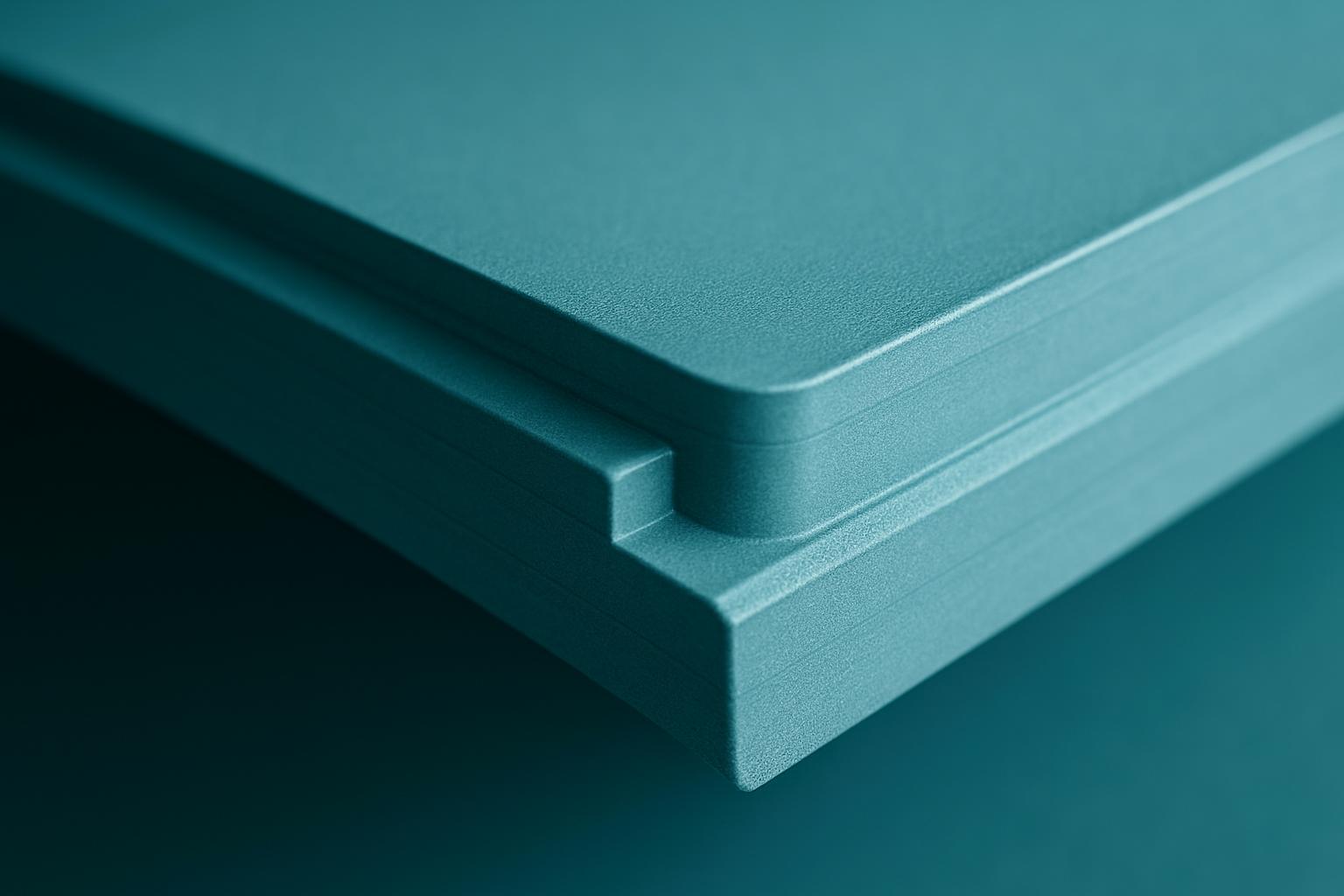
Edge polish on clear acrylic (PMMA) removes saw marks, scuffs and fine machining haze. The process gives you a high-gloss edge that mimics the clarity of the sheet face. This finish is a staple for shopfitters, signage makers and any team needing see-through panels without milky, frosted or rough sides. Clear edges are especially important for display boxes, point-of-sale risers and architectural features where the parts are on show.
In South Africa, clean acrylic edges matter for retail, hospitality and medical screens. Hardware and electronics enclosures use it less, unless looks count. If you need edges for bonding or glued seams, machine polish gives a flatter, squarer edge than flame. We can advise which suits your job best.
Flame polish uses a controlled oxygen-hydrogen torch to flow the acrylic’s surface, removing micro-scratches and sealing pores. It is fast and ideal for long, straight edges or gentle curves. Machine polishing works through a multi-stage process: wet sanding, then buffing with specialist compounds to a clear, gloss finish. This method handles thicker plates, edges with notches, or parts needing a very flat, square result.
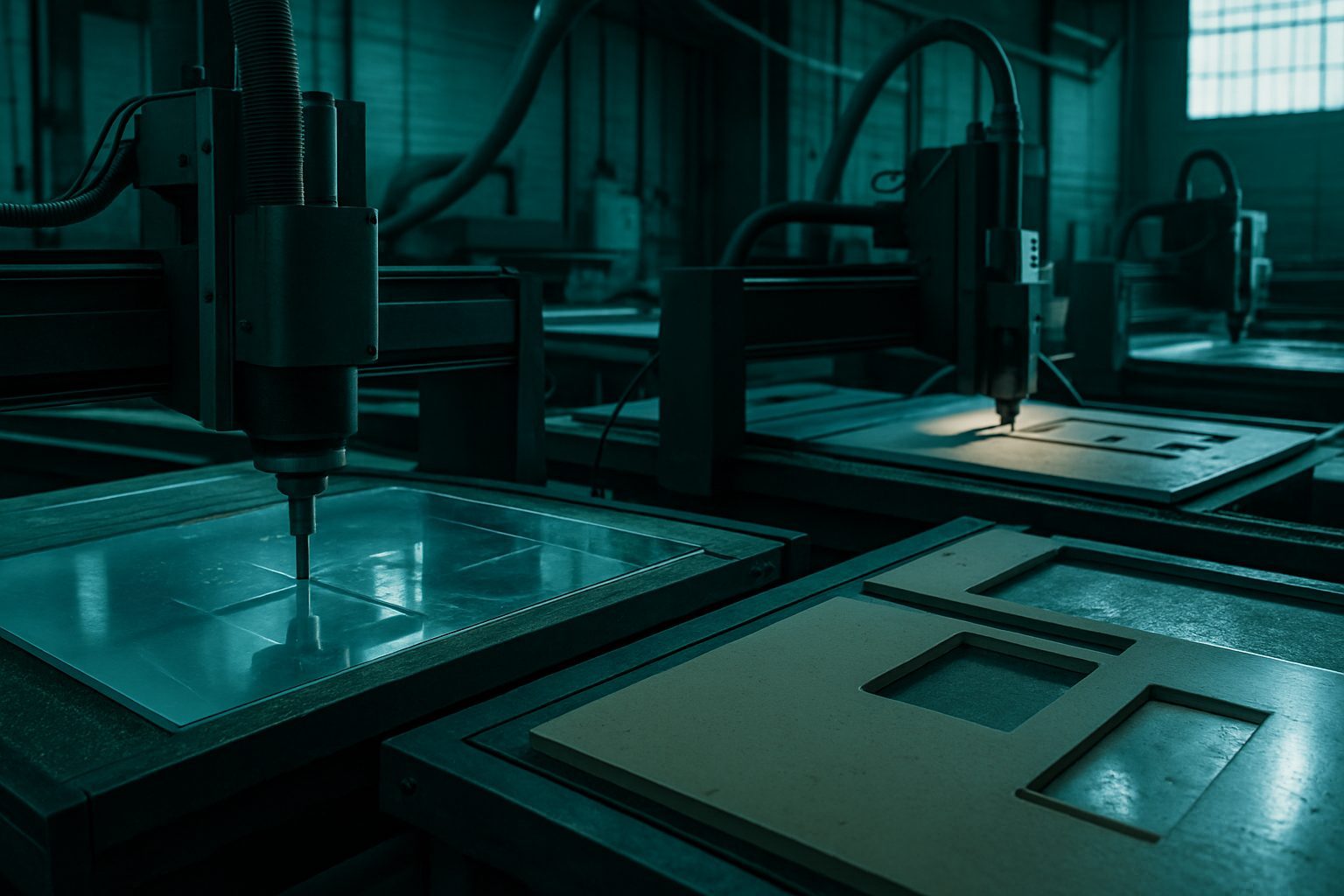
We run edge polish as a post-process after CNC or saw cutting. Most weeks, we polish acrylic sheet in 2, 3, 5 and 10 mm, plus thick panels for display units. Flame finish is common for high-turnover POS jobs in Gauteng. For boutique displays or intricate panels from Cape Town or Durban, machine polish is usually preferred.
Edge polishing suits any workshop or project team needing clear acrylic with visible edges, such as retail installers, architectural fit-out contractors, and furniture makers supplying public spaces. Final-gloss edges save clean-up on site and give off a finished look, especially when end faces catch the light.
It is not worth the extra cost and handling for panels that will be hidden, painted, edge-banded or glued into frames. Flame and machine polishing do not work with SAN, polycarbonate, PETG or frosted acrylic; specify clear PMMA only. If you need edges for bonding tanks, aquaria or cash wrap screens, discuss your seam method upfront.
Getting the best result starts with a clear spec. Acrylic should be optically clear, without masking stuck too firmly on the sheet edges. Check that your drawings or DXFs show the exact profile and which sides need polishing. Large runs or complex cut-outs may need a mix of flame and machine, depending on the detail. Let us know if you need the edge polish for snapped, engraved or CNC-routed shapes.
We recommend telling us the thickness, brand or supplier of your sheet (if not ordering supplied plate), plus details of any further work you plan, such as glue seams or hardware mounting. Our office in Germiston works with clients from Durban, Cape Town, Gqeberha and inland towns, if you are shipping, ask us for advice on packing options.
A project team from a Sandton retail design studio needed 4 mm clear acrylic shapes for a flagship electronics display. They sent us their DXF cut files, requested flame polish on three open sides per panel and machine polish on the main feature face for a flawless gloss. After CNC cutting, we separated the panels, removed masking only from the edges, and flame polished the long sides. The machine polish operator then finished the feature edge for a glass-clear look. The result: panels ready for the client’s installer, no need for hand-sanding or buffing on site.
To see more finishing options, browse our finishes catalogue. If you are not sure what the best process is for your parts, you can always send a message through our contact form with your sketch, plans or questions.
Static, dust and handling marks are common headaches with polished acrylic, especially in Highveld workshops where dust travels. We clean and bag finished parts but always handle them with gloves when possible. Polished edges can show swirl marks if parts are dropped or reworked on a rough bench.
Polishing does not fix chips, saw burns or deep scratches, these need to be machined out before final finishing. On large sheets, some stress crazing is normal if the material has been stored in sun or humidity, as you often find around Durban or Gqeberha. Make sure your sheet is fresh, with good masking. For more on compatible surface finishes, see our matte clear guard or label-face safe options. Send your cut list or drawings through our contact form if you are ready for a spec or need practical advice.
Verified Google reviews